

Craps Proposition Bets Explained For Australian Players

When I look at the table from a managing-director perspective, craps proposition bets explained properly usually separate disciplined operators from impulse spenders. Independent Gaming Pty Ltd runs supplier strategy on commercial oversight, and I apply the same lens here: every wager needs a clear cost, a defined payout, and a realistic expectation of variance. The proposition layout looks busy, but it is really a cluster of side wagers with fixed house edges, not a shortcut to the pass line. For an Australian audience weighing up a session, the question is not whether the numbers look flashy, but whether the bet fits your bankroll and your patience.
| Detail | What it means on the floor |
|---|---|
| Positioning | Fixed-odds side wagers placed directly on the proposition strip |
| Payouts | Set by the layout, not by the dice outcome on that throw |
| House edge | Varies widely by number; the 2, 12 wager carries the steepest edge |
| Fit | Best for short, controlled stints rather than extended grinding |
| Discipline | Treat each proposition mark as a priced decision, not a hunch |
Craps proposition bets explained through the lens of bankroll fit start with the one-roll wagers on the ends of the layout. The any-seven line, the craps numbers, and the hop bets all settle on the very next throw, which means you are paying for immediacy rather than a multi-roll narrative. From a commercial oversight standpoint, I would rather see a player price that immediacy honestly than chase it with repeated marks. If you are the sort of player who likes a fast result and a defined stop, a small any-craps line or a single hop bet can sit inside a session without taking over. The catch is the edge: those one-roll marks are priced for speed, so they suit a controlled stint, not a long grind where the cost compounds quietly.
For a regional Queensland player pulling up a chair after a long arvo on the water, the better fit is usually a single proposition mark sized to a fraction of the base buy-in. I have seen supplier decks where the layout encourages over-marking, and my judgement call is always the same: cap the proposition exposure before you roll, not after. A measured any-7 line or a lone hard-way mark keeps the action visible without letting the side wagers eat the session. The payout is fixed, so the maths is transparent; the discipline is in the sizing, and that is where most casual players drift.
Craps proposition bets explained also need a clear view of the multi-roll proposition marks, because those are where the layout tries to sell a story that the maths does not support. The big-number proposition lines and the hard-way wagers sit across several throws, which can feel steadier, but the edge is still baked into the price. I compare that to racing-linked markets overseas, because Australia exports its racing vision to betting markets around the world, and the same discipline applies: a market can look attractive on presentation while the pricing tells the real story. If you are chasing a sequence rather than a single result, size the mark so a run of blanks does not turn a fun session into a costly one.
The practical fit here is a player who wants a named target and is willing to pay for the wait. A hard-way mark or a specific proposition line gives you a clear settlement condition, which is useful if you like to track outcomes rather than just watch the dice. My commercial call is to treat those marks as priced entries, not as a route around the core table bets. Keep the size modest, accept that the edge is fixed, and let the payout do the talking. When I review a supplier’s proposition presentation, I look for whether the layout encourages measured marks or pushes over-betting, and that distinction matters more than the colour of the felt.
If you are weighing up a session and want a quick sense of where the proposition strip sits in the broader casino payment flow, it helps to check how a cashier handles currencies and limits before you commit, which is why a clear read on thepokies.net no deposit bonus can be a useful reference point when you are comparing table-side budgeting with cashier mechanics. The point is not to bolt payments into the dice discussion, but to make sure your bankroll plan matches the way the room actually settles marks and resets your stack. thepokies.net no deposit bonus
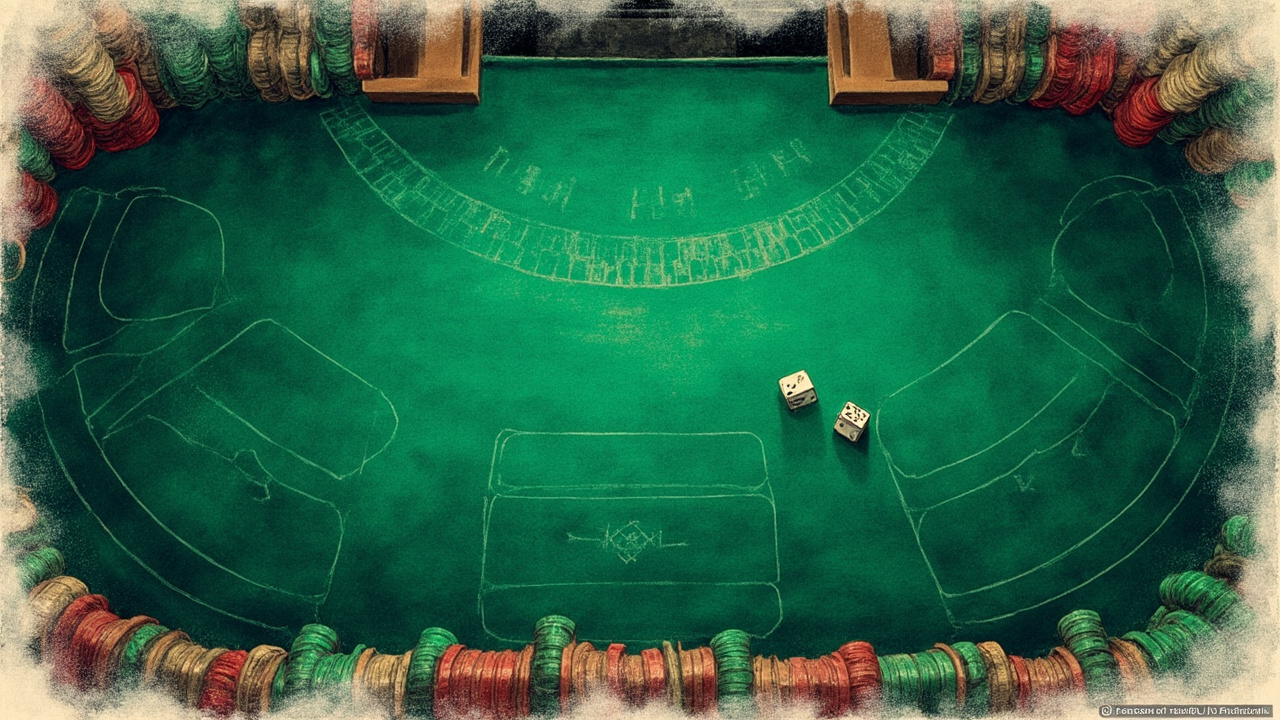
So here is the question I would put to anyone sitting down at the proposition strip: do you treat those fixed-odds marks as a priced part of the session, or as a distraction from the bet you actually came to make?
